

How to Revise for Exams: Distinct Tutor’s Complete Guide for Students
Exams can feel overwhelming, but with the right approach, revision becomes far more manageable—and effective. At Distinct Tutors, we believe that success isn’t just about working harder, but working smarter.
In this guide, we’ll walk you through when to start revising, how to structure your time, and the most effective revision techniques to help you achieve your best results.
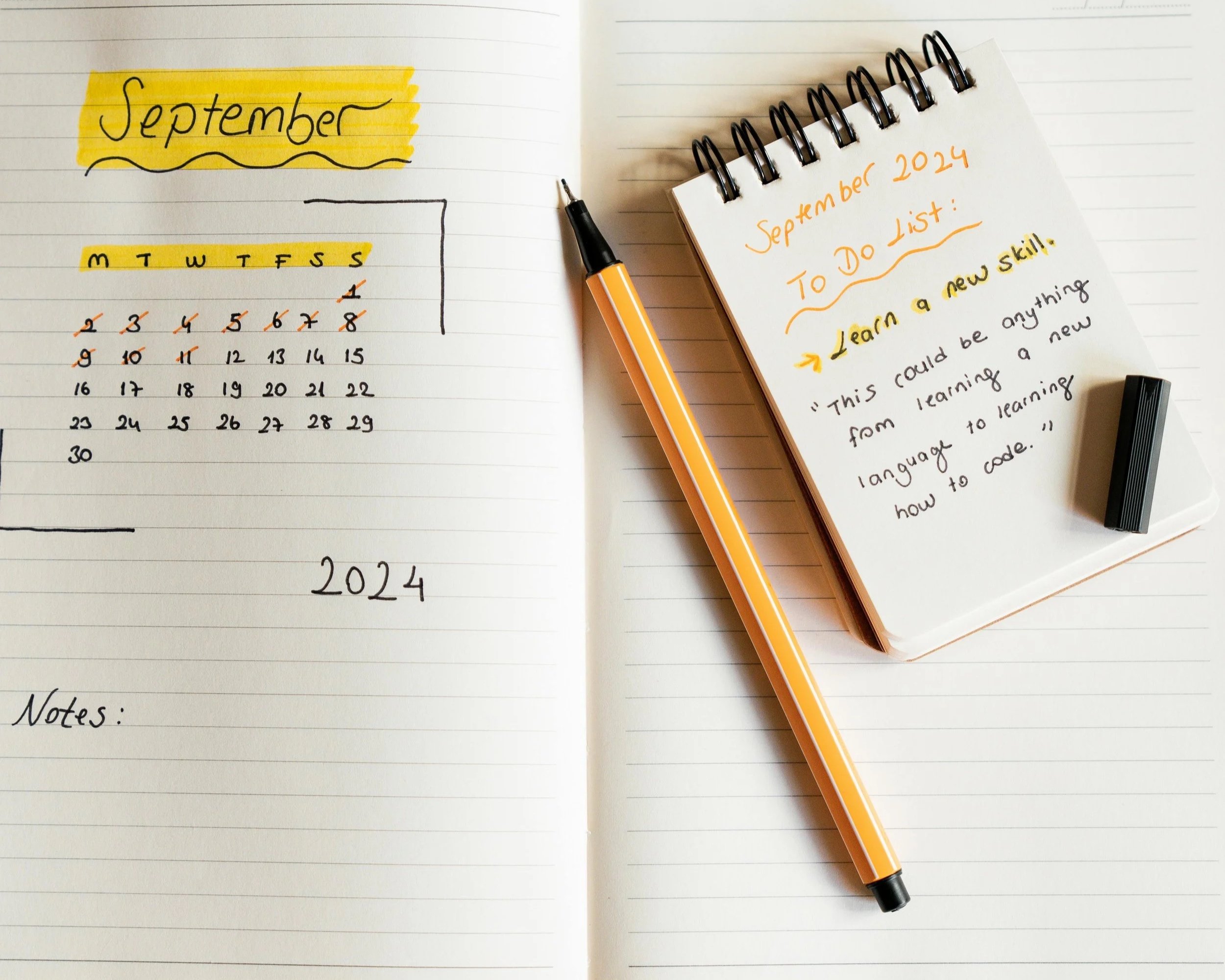
Start Early and Plan Ahead
One of the biggest mistakes students make is leaving revision too late. The urge to start tomorrow, or next week can ultimately build up, to the point where revision never happens. Start today even if it’s for 30 mins.
Ideally, you should begin structured revision 2–3 months before your exams. This gives you enough time to:
Cover all topics
Identify weak areas
Practise exam questions
Top tip: Create a revision timetable and break subjects into smaller topics. This makes everything feel more manageable and less stressful.

Create an Effective Revision Environment
Your study space has a huge impact on your focus.
If your environment is distracting, your revision will be too, no matter how motivated you are.
To maximise productivity:
Choose a quiet, distraction-free area
Keep only essential materials on your desk
Turn off notifications on your phone
A clear workspace helps create a clear mind.

Use Active Revision Techniques
Simply reading notes is not effective revision. You need to actively engage your brain.
If you’re not testing yourself, you’re not really revising, you’re just reading.
Here are some proven techniques:
Flashcards – Great for testing memory and key facts
Mind maps – Help organise and connect ideas
Practice questions & past papers – The most effective way to prepare
Teaching others – Explaining topics helps deepen understanding
Quizzes & self-testing – Identify what you know and what you don’t
The more actively you revise, the better you’ll retain information.

Learn from Mistakes
Mistakes are one of the most powerful learning tools.
The students who improve the fastest aren’t the ones who get everything right—they’re the ones who learn from what went wrong.
After completing practice questions or mock exams:
Review what you got wrong
Understand why you got it wrong
Focus revision on those weak areas
Improvement comes from targeting gaps—not repeating what you already know.
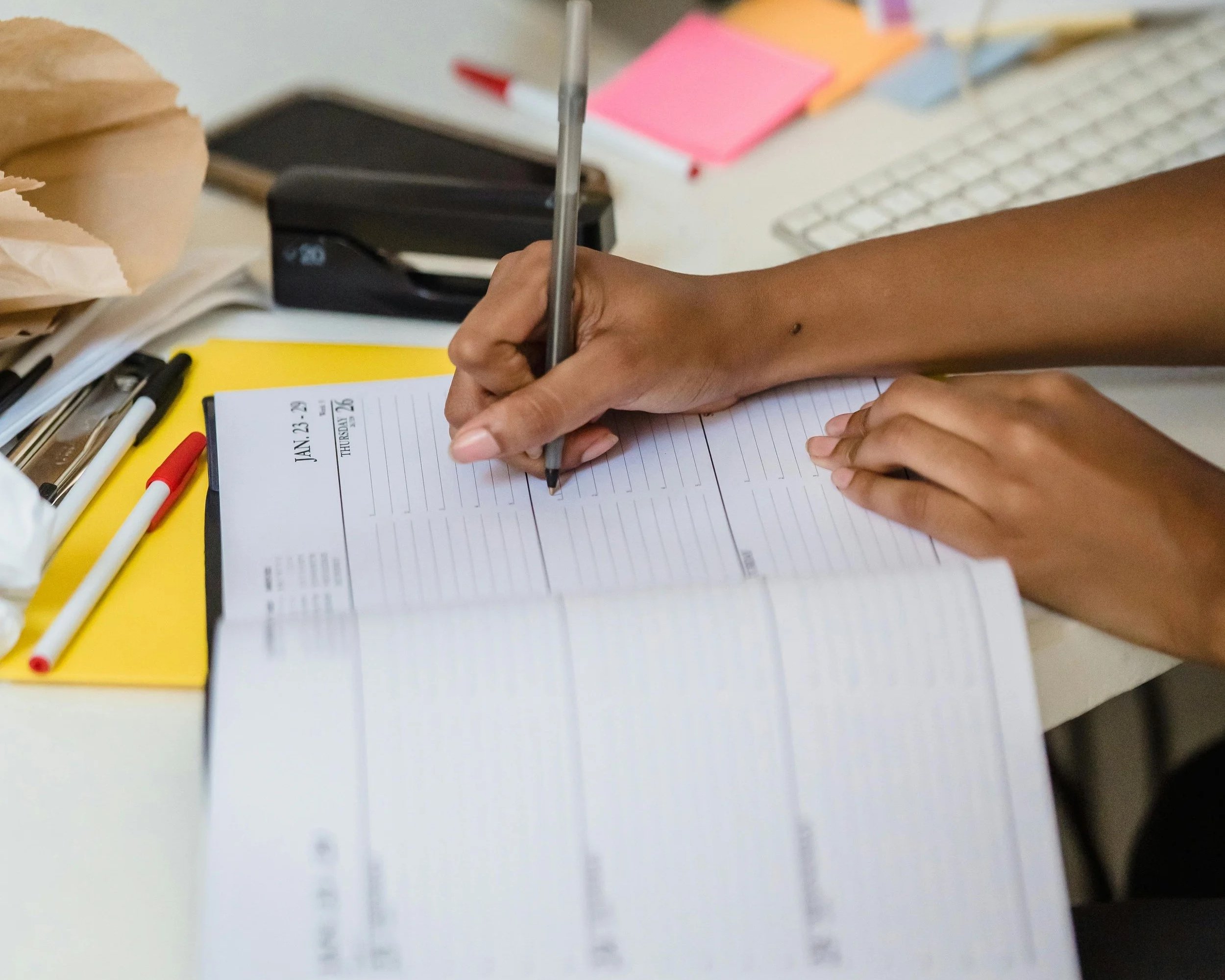
Use a Revision Timetable (and Stick to It)
A good timetable keeps you organised and consistent.
Without a plan, it’s easy to waste time deciding what to revise instead of actually revising.
Make sure your plan:
Mixes different subjects (interleaving)
Includes regular breaks
Is realistic and flexible
Example structure:
25–50 minutes study
5–10 minute break
This keeps your brain fresh and prevents burnout.

Take Breaks and Avoid Burnout
Studying non-stop is not productive.
Pushing through when you’re tired doesn’t make you disciplined! It makes your revision less effective.
Regular breaks help your brain process information and improve focus.
Instead of scrolling on your phone, try:
Going for a short walk
Getting a snack or drink
Stretching or relaxing
Short breaks = better concentration.

Stay Motivated
It’s normal to lose motivation during revision—but staying focused is key.
Motivation comes and goes! Discipline and routine are what keep you consistent.
Try:
Setting small, achievable goals
Tracking your progress
Rewarding yourself after completing tasks
Also, remember why you’re revising—your future goals matter.

Look After Your Health
Your physical and mental wellbeing are just as important as your studies.
You can’t perform at your best if you’re running on no sleep, poor diet, and stress.
Make sure you:
Get 7–8 hours of sleep
Eat a balanced diet
Stay hydrated
Take time to relax
A healthy mind performs better in exams.
Final Thoughts
Revision doesn’t have to be stressful. With the right strategy, you can feel confident, prepared, and in control.
Small, consistent effort beats last-minute cramming every time!
At Distinct Tutors, we support students in building strong revision habits, improving confidence, and achieving their full potential.
If you’d like extra support with exam preparation, feel free to get in touch—we’re here to help.
